Friday, February 24, 2006

About Degrassi: Junior High and the Next Generation

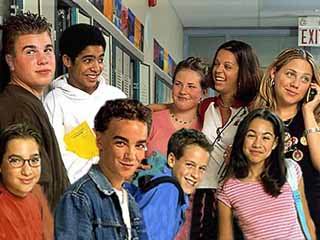
Degrassi: Junior High and the other spin-off Degrassi shows are the creation of CBC, Canadian public television. Their mission was to provide Canadian children a higher quality after-school show; A show that would address the issues facing contemporary middle school students in a positive manner. Degrassi: JH came to American public television in the late 1980’s, in 1991 was picked up by MTV, and currently the Comcast Cable channel The-N plays both the original series and the newest incarnation, Degrassi: The Next Generation.

Each episode aims to present a different issue or realistic situation. A sample of some of the issues is teen pregnancy, drug abuse, pedophilia, and divorce. There are three episodes in particular that Degrassi creators have thought to make Teacher Guides for.

Episode: 303 “You’ve got The Look”

Episode: 304-305 (Two Parts) “Pride”

Episode: 306 “Gangsta, Gangsta”

These cover many issues that can, and often do transcend all socio-economic lines.

Episode 303: "You've got the Look"

This Episode covers the issue of positive body image, strained interpersonal relationships, and the classic "overbearing" parent.

Thursday, February 23, 2006

Degrassi Activities: Beyond Entertainment


I believe that in order to successfully utilize a movie or television show in the classroom one needs to follow some steps to ensure that the viewing doesn't just become a chance to "tune-out" what is going on in class. These are some of the ways I thought of, and devised by reading the teachers guide for Episode 303.

I think these activities would be great in an Advisory or guidance class. The videos are only 22mins long, leaving time for discussion before and after the viewing.

PART ONE: Before you Watch

1. Setting the Context
2. Sharing Your Knowledge
3. Preview Questions
4. Building Vocabulary (Slang/Expressions)
5. Making Predictions

This first section sets the context for the major social issue in the episode and allows students to activate their "background knowledge" on the issue. This puts students in the frame of mind for learning, and not just entertainment.

PART TWO: After You Watch

1. Understanding Detail/Breakdown Session
Exercise 1: Putting Names to Faces
Exercise 2: When Did it Happen?
Exercise 3: Who Is It?
Exercise 4: Who Said It?
Exercise 5: True or False?

2. Discussing Characters and Stories
3. Writing About the Episode
4. Debate Ideas From the Episode Exercise

PART THREE: Going Beyond the Video

1. Discussing Issues
2. Connecting to Community
3. Journal Writing

The activities in this section are aimed at extending and expanding students' understanding and experience of the specific episode, requiring them to reflect on the issues raised and relate them to their own experience, values, and culture. I want students to see television in a different light, and by guiding them through the process of intellectualizing the episode, they might begin to make better viewing choices.

Tuesday, February 21, 2006

State of Illinois HIV, STD, and Pregnancy Prevention Education

Public Act 92-0023 requires that curricula in all elementary and secondary schools include: "human ecology and health, human growth and development, the emotional, psychological, physiological, hygienic and social responsibilities of family life, including sexual abstinence until marriage, prevention and control of disease, including instruction in grades 6 through 12 on the prevention, transmission and spread of AIDS..." The state does not require schools to follow a specific curriculum;, or provide a suggested framework, and the Illinois Learning Standards for Physical Development and Health do not specify these topics. The state does not have limitations on what can or cannot be included in the AIDS prevention instruction, however, instruction must stress abstinence until marriage.

While the state does not require parents to grant permission for participation in AIDS education, Illinois Compiled Statute 105 ILCS 110 (1999) allows parents to request, in writing to the school's principal, that a student be exempt.

Illinois does not provide state funds for school-related HIV, STD, or teen pregnancy prevention activities.